EP 086 · 103 MIN 40 CLIENTS, 16 PEOPLE, A BOT NAMED TIM
He’s Using AI to Double His Agency Without Hiring
The short version
Episode 86 brings on Phil Rivers, Rory's former boss at the email agency Tetra, who now runs an email and SMS agency of about 40 clients and a 16-person core team. He walks through an operations system built on Claude Code, MCP, Supabase, Asana, Slack and Figma, including client-approved calendars that spawn Asana tasks and a Slack agent named Tim, and argues the same team could handle twice the clients.
Key takeaways
- 01
Automate the soul-sucking admin first: once a client clicks approve on Phil's campaign calendar, Asana gets the task, subtasks, assignees and due dates automatically.
- 02
Write tasks so nobody has to ask: Phil's rule is that if the executing team asks the account lead one question, the task isn't good.
- 03
Share one MCP instead of separate setups: Phil serves a repo snapshot and Supabase data store from a virtual machine, and the whole team connects through one connector.
- 04
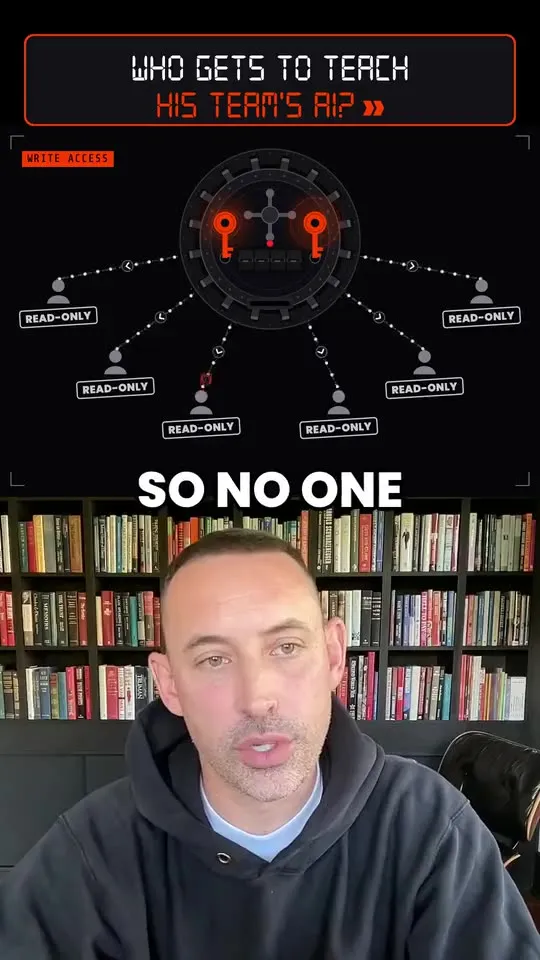
Control who can save: only Phil and one colleague can write to the repo; everyone else uses a skill to summarise useful work and send it to them.
- 05
Watch for prompting as a crutch: Phil reads writers' logs and finds fifteen to twenty minutes of re-prompting one email that would be faster written by hand.
- 06
Service keeps clients longer than results, Phil says: he has lost A-plus-results, C-plus-service clients and kept C-plus-results, A-plus-service ones.
- 07
Not everything that can be built should be: Phil questions automating email design drafts when dragging pre-built blocks into place already takes about 15 seconds.
Receipts · said on the record
“I've lost clients that we have A plus results for and C plus service. And I've kept clients where we have C plus results and A plus service.”
“I tell the account leads if the if the team that's executing has to ask you one question about your task, the task isn't good. They should ask you no questions.”
“I'm like, dude, I want you to do less stuff. Like if you're doing stuff, I'm like, something's wrong.”
“In terms of the the ceiling now, I think we could two X the client roster with no new headcount.”
“It starts from the top. … Like the interest and the grunt work has to be done at the top for stuff like this for everyone else to succeed because it it doesn't flow up.”
“Not everything we're building is … worth building because we can build everything now. And so that being able to discern what is valuable to build and what isn't is a task in and of itself.”
Chapters
- 0:00:00 Who is Phil Rivers?
- 0:08:16 Why rebuild an agency with AI?
- 0:11:15 How an email agency first used Midjourney
- 0:14:24 How do you adopt AI without slowing down?
- 0:24:35 How to build an agency on AI from day one
- 0:27:03 How can Asana automate campaign planning?
- 0:34:36 Why service keeps clients longer than results
- 0:37:30 How do you build client context into AI?
- 0:43:20 Who decides what the AI remembers
- 0:47:38 How AI unblocks account leads to just serve
- 0:49:52 How can teams share AI skills?
- 0:54:11 How does one MCP support an entire team?
- 0:58:17 Why one-off tasks break agency teams
- 1:00:13 Meet Tim, the Slack agent that writes tasks
- 1:05:41 How many clients can AI add with zero new hires
- 1:09:19 Can AI shorten employee onboarding?
- 1:14:27 Which AI projects aren't worth building?
- 1:18:20 How do you keep AI workflows current?
- 1:19:13 How to prove AI ROI to your boss
- 1:24:50 How do you secure shared AI infrastructure?
- 1:30:11 What can Obello automate for brands?
- 1:34:42 How many clients can the team handle?
- 1:35:42 How does AI automate client onboarding?
- 1:38:33 What's Phil's biggest AI operations lesson?
- 1:41:24 Who should viewers tell about Fast Hours?
Questions this episode answers
Who is Phil Rivers?
Phil Rivers runs an email and SMS marketing agency with about 40 clients and a core team of 16. He worked with Rory at the email agency Tetra, and first hired Rory off Craigslist in 2016 to run social media for a supplements brand.
How does Phil Rivers use Claude Code and MCP to run his agency?
Phil builds in Claude Code against a GitHub repo and a Supabase data store, then serves a snapshot of it from a virtual machine through a single MCP. His team plugs that one connector into Claude for client context, team roles, Slack and Asana; it refreshes every few minutes, and only Phil and one colleague can write to it.
What is Tim, Phil Rivers' Slack agent?
Tim, named after Tim Riggins from Friday Night Lights, sits in every client Slack channel. An emoji reaction makes him draft a simple Asana task for approval; for complex work the account lead forwards the thread with extra context, and Tim drafts the subtasks, dependencies and due dates.
How many more clients can AI let an agency handle without hiring?
Phil estimates his current team could handle about 20% fewer clients without AI, and thinks his operations automation could let the same team double its client roster with no new headcount.
How should you prove the ROI of AI work to your boss?
Phil says his flat organisation doesn't ask for a formal ROI calculation: if something sucks day to day and you built a fix, he'll pay for the tokens. Every other week he holds an open show-and-tell with either the design or the copy team.
Show notes
Phil Rivers is using AI to scale his agency by automating approvals, task creation, onboarding, and shared workflows across his team.
Drew and Rory spend an embarrassing amount of time obsessing over AI visuals. Phil Rivers shows up with 40 clients, 16 employees, and an entirely different obsession: automating all the boring stuff nobody wants to do.
And it turns out the boring stuff might be where the biggest opportunities are hiding.
Phil has rebuilt his agency around an AI-powered operating system that handles client approvals, project management, task creation, onboarding, and internal knowledge sharing.
His goal? Double the number of clients his existing team can handle without hiring another employee.
And he's already built much of the infrastructure to pursue it.
Phil Rivers breaks down an AI-powered agency operating system built with Claude Code, Model Context Protocol (MCP), Supabase, GitHub, Slack, Asana, and Figma. Automated client approvals create campaign tasks and deadlines. A Slack agent named Tim drafts Asana tasks with dependencies. Klaviyo data, onboarding automation, permissions, and shared knowledge help teams handle more clients.
The episode, narrated
Everything is ops.
In 2016, Phil Rivers hired Rory off Craigslist. Ten years later he runs an email and SMS agency of about 40 clients on a core team of 16, and nothing he shows on air touches copy or design. This is the whole episode, narrated chapter by chapter, with every business lesson pulled out and pinned to the moment it was said.
The 30-second version
- 01
Point AI at the ops layer first. Approvals, task creation, onboarding and shared client context paid Phil back more than any copy or design tool.
- 02
Serve tools finished. One connector for the whole team, write access for two people, and nobody tinkering on client time.
- 03
Do less. If an account lead is clicking buttons, something upstream is broken. The goal is double the clients on the same team.
00Shorts · The episode in clips
The episode in 12 shorts.
The motion-graphic cuts from this episode, in episode order. Tap any one to watch the run back to back.
Hired off Craigslist.
Episode 86 opens with a hiring story. In 2016, Phil Rivers posted a Craigslist ad for a social media person. Rory answered it.
Phil introduces himself in one line first.
“I'm just a guy that does email and SMS and I make people a heck of a lot more money than they pay me. That's the TLDR.”
The job was social for Phil's supplements brand. Rory grew the account with almost no assets, and he had already proved he could build a following with a dummy page called Tacos and Techno. Four or five months in, Phil shut the brand down. It was self-funded and ran out of runway before he could work out the payback period.
“I wasn't bankrolled by anyone, so it was all self-funded, but I was playing the game as if I raised money.”
Rory still counts it as the only time he has been fired. A year or two later Phil called again, this time about email marketing. They built an agency together, and Rory credits Phil with teaching him how to run a business: data first, no emotion, always tinkering.
“There's always stuff that breaks. There's always something to try.”
That agency, Tetra, got to AI early. Rory taught the designers Midjourney for backgrounds and supporting visuals, the pieces a brand with thin assets could never supply. Product shots stayed off limits. The output was too rough.
“You'd be surprised, Drew, a lot of brands don't have that much to work with at all.”
The first agency ended after a messy acquisition. Fifteen or sixteen months ago Phil started over, with AI wired in from the ground floor. Rory explains why an operator belongs on a creative AI show.
“Phil built an email marketing agency years ago. … Built almost the same agency, but with AI now.”
Serve the tool finished.
Drew asks how far AI got into Tetra by early 2024. Phil's answer is about restraint.
Most of the team wasn't paying attention to AI yet. Phil knew a new tool slows down people who aren't tinkerers. So he held a lot back. Rory tested in private, then handed the designers guardrails and fill-in-the-blank prompt formulas.
“Get it to a place where we know we can just serve it up for them to use. Not have to tinker with anything, or slow them down.”
“Here's the formula, just go fill in the blanks. You don't have to go do anything.”
Rory remembers when it clicked. They exported raw Klaviyo numbers as a CSV, pasted them into GPT-3.5 and asked what it saw. It read back six weeks of click-through rates.
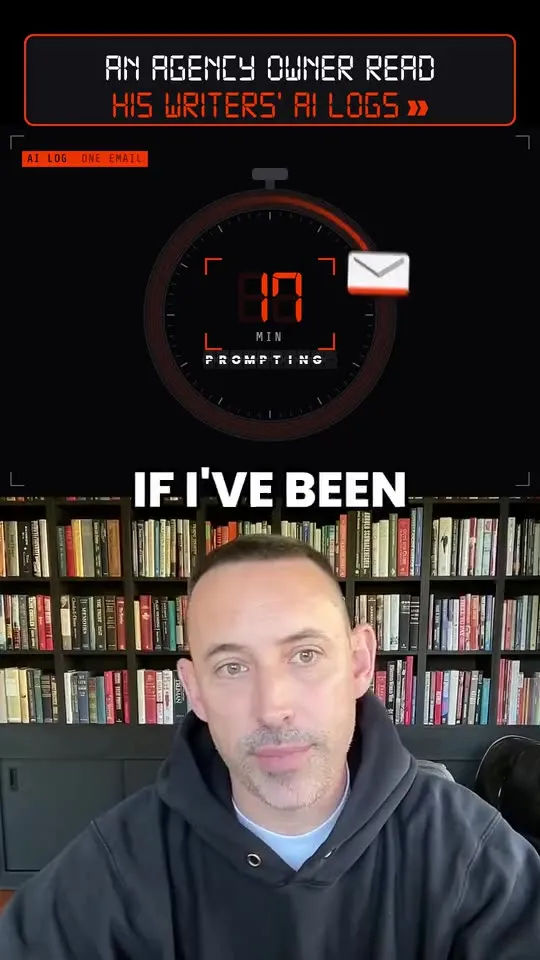
Drew calls the restraint rare for 2024. Phil says the risk is live today. He reads his copywriters' logs and sees one email re-prompted for fifteen or twenty minutes.
“The tools are great, but there's also a hidden cost to them.”
“If I've been prompting this thing for seventeen minutes for this one email… let me just bang this out manually.”
Drew splits the difference. Iterating pays when the task repeats, because the fix compounds. One-off work deserves a fast manual pass.
Phil's example is the subject line. Every email in a month is unique, and a good subject line catches something happening in culture right now. A writer who stops to think beats a long prompt loop.
Rory adds context for listeners new to email. Flows are the automated sends, like welcome series and abandoned carts. Campaigns are the promos that land in your inbox every day. Phil says most brands set the flows and forget them.
“Where a lot of alpha or untapped revenue is in most accounts these days is testing and optimizing things within the flows.”

One click, every task.
The new agency put AI in at the ground level. Phil aimed it at operations from day one.
Copy is the obvious use case, and he treats Claude like a hammer: right for some jobs, wrong for others. His target was fulfillment, and every message that moves between the people on a pod and the client.
“The team is so empowered and pretty much has an extra brain and two extra sets of arms.”
His thesis: two to two and a half times the client roster on the same team. Rory asks what worked first. The answer is Asana, back before MCPs or Claude Code existed.
One email has a long order of operations. Concept, brief, draft, design, client review, approval, slicing, loading into the send tool. Phil multiplies that by about 25 emails per client. The worst step came after a client approved the month's calendar. Someone had to retype every approved campaign into the task manager.
“That's a very laborious, detail-oriented, time-sucking, soul-sucking task. So I was like, I want to not do that.”
Drew names the trap. Moving cards around a project tool feels productive.
“It feels productive, but in a lot of ways, it's not productive because you're just moving things around.”
Phil screen-shares the fix. The client reviews each campaign on a shared calendar: feature product, audience, channel, send date, links, angle and rationale. They comment, request changes or click approve.
“Once this is clicked, this just fires off a slew of automations internally.”
Click approve, watch Asana fill
The flow Phil demoed. Calendar values are blurred, as his were demo data.
Campaign calendarDemo
C4 · 11/15 · Getting the size right
- Feature
- Audience
- Channel
- Send date
- Nov 15
- Angle
- Rationale
Approved
- 01 Brief the email
- 02 Draft copy in Figma
- 03 Design the email
- 04 Client review
- 05 Slice and load
- 06 Locked and scheduled
The system knows who sits on each client's pod, because the roster lives in Supabase. Every subtask lands with the right person and a due date that keeps the team ahead of the send. Phil has run some version of it for fifteen months.
“Think of all the human error that I just took out of it because the whole process end to end is standardized.”
Service beats results.
Drew calls the calendar top notch. Phil explains why it gets so much polish. An agency is a service business.
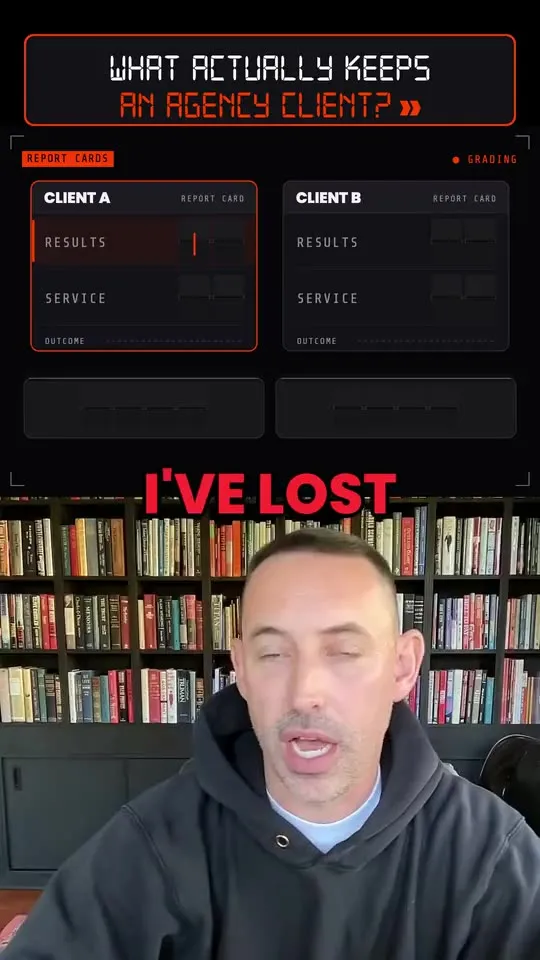
“I've lost clients that we have A plus results for and C plus service. And I've kept clients where we have C plus results and A plus service.”
-
Client AReport card
- Results
- A+
- Service
- C+
Outcome · Lost
-
Client BReport card
- Results
- C+
- Service
- A+
Outcome · Kept
Unnamed stand-ins. The only grades are the ones Phil gave.
Phil pitched in baseball. His dad told him to worry about what he could control, because once the ball leaves your hand, the rest is out of your control. Phil can't control a client's taste. He can control how fast and how easily they give feedback.
“Just worry about what you can control.”
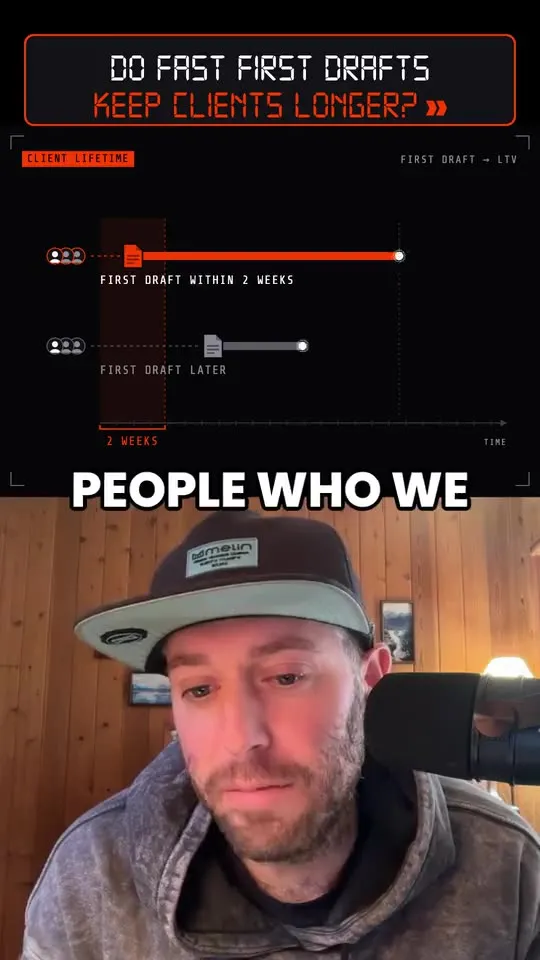
Rory backs it with a memory from their first agency. When they ran the data, clients who got first drafts within two weeks stayed longer and complained less.
“People who we had delivered first drafts to within two weeks, we had an average of like a two month longer LTV on.”
Drew sees the same pattern with his own clients. Get ahead of the requests and a team moves from reactive to proactive. Writers get to write.
 Short · 0:38 · RetentionWhat Actually Keeps an Agency Client?
 Short · 0:40 · RetentionDo Fast First Drafts Keep Clients Longer?
Not everything is worth saving.
Drew asks whether the system learns each client over time. Phil starts with a reality check.
“Feedback will never be zero.”
Taste is subjective, so he controls the inputs. When a client signs, the system pulls 20 to 30 emails with approved copy angles, the brand and tone guidelines, and recent social posts for voice. All of it lands in a shared data store the writers draft from.
The writers moved too. They used to draft in a Google Doc that a designer later reshaped. Now they write in a Figma sandbox next to the designers. The board holds the client's past emails, brands they admire and a do's-and-don'ts note.
“In the sandbox environment, the writers write directly in Figma with the designers.”
“It's not sexy or whatever. It just runs in the background.”
Drew calls the goal a hive mind. Anything a client tells one person becomes available to everyone on the account. Phil pumps the brakes.
“The AI doesn't always know what's anecdotal and what's valuable to store.”
So a human decides. The account leads choose what gets saved. Try their side of it.
Save it or let it go
You're the account lead. Each message came in on a client channel. Does it go in the data store?
-
#client-external1/6
Client · brand leadQuick rule for the writers: we never say “cheap.” Use “accessible.”
Account lead: Save to the data store
A standing rule. It goes in the do's and don'ts, so every writer drafts with it from now on.
-
#client-external2/6
Client · founderHaha, loved Tuesday's subject line.
Account lead: Let it go
Nice to hear, and anecdotal. It gives the AI nothing it can reuse, so it stays in the chat.
-
#client-external3/6
Client · ecom leadNew product drops on the 20th. The product page is live now.
Account lead: Save to the data store
Product pages feed the data store, and new products update there. Every email after the 20th needs it.
-
#client-external4/6
Client · founderCan you make the logo bigger on this one?
Account lead: Let it go
A one-off change to one email. It belongs in a task, so Tim drafts it for Asana.
-
#client-external5/6
Client · brand leadOur brand guide just got updated. New PDF attached.
Account lead: Save to the data store
Brand and tone guidelines are the corpus the writers draft from. The new version replaces the old one.
-
#client-external6/6
Client · ecom leadSorry for the slow reply. Crazy week here.
Account lead: Let it go
A fleeting comment. Mentioned once, never needed again.
Phil's rule
Not everything is worth saving. Some things a client says are anecdotal, and the AI can't always tell. You can.
That judgment is why Phil hires account leads for emotional intelligence and speed of communication. They need to know Klaviyo well enough to direct the work around it.
“They're so much more valuable being with high emotional intelligence being able to serve than being just a nerd in the account all day.”
I want you to do less.
Rory takes the conversation back to their old agency, after the acquisition. Complaints spiked, mostly about copy, from writers they trusted.
Unwinding it took a while. The account managers were slammed. Weak copy meant more calls and more revisions. Less time meant thinner briefs, and thinner briefs hurt the writers.
“Instead of one round of revision, it was four rounds.”
The spiral Rory unwound
Every stop feeds the next. Phil's answer was to take jobs off the account lead's plate.
- 01AM slammed
- 02Briefs get thin
- 03Copy misses
- 04Four revision rounds
- 05More client calls
Phil's fix: decouple the job
- Floating tech people pull the Klaviyo data
- The PM keeps Asana clean
- Claude Code does the build work
- The account lead serves and communicates
Phil's pods run five roles: account lead, project manager, copy, design and deployment. A few floating technical people sit beside them. They know Klaviyo cold, don't love client calls, and pull and distill data for the leads.
The account lead used to be strategist, orchestrator and main contact at once. Phil split those jobs up.
“So that the account manager can be unblocked and do the highest and best use of their time and expertise, which is serve clients and communicate.”
“I'm like, dude, I want you to do less stuff. Like if you're doing stuff, I'm like, something's wrong.”
“You should never have to be in Klaviyo doing anything. Everything should be given to you either by your right hand or Claude Code directly.”
One machine, one connector.
Rory's favorite idea of the episode is how Phil shares skills with the team. Most teams Rory sees run in silos.
“Everyone is sort of producing the same thing in a different way and there's no standardization.”
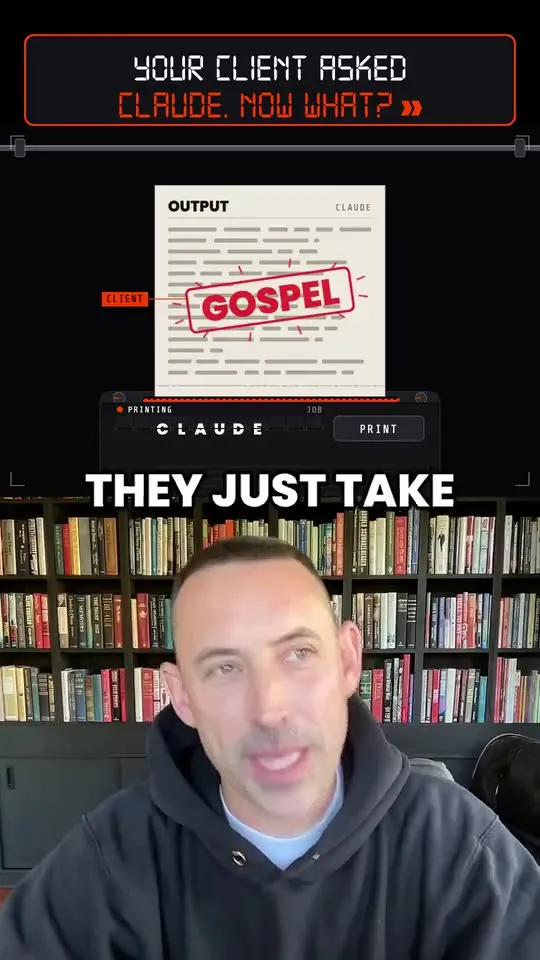
Phil adopted Claude Code early. He tells the plumber story: five minutes on the job, a thousand-dollar bill, because the fee pays for knowing what to fix. His frustration runs the other way. Clients now arrive with Claude's opinion and no expertise to judge it.
“They just take the output of whatever Claude gives them as gospel.”
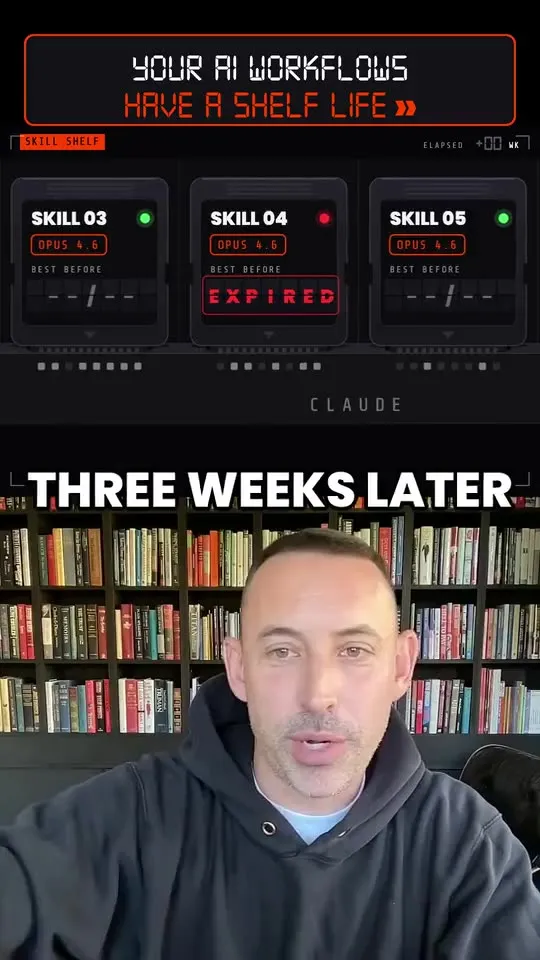
Getting the team access was hard, and the ground kept moving. Phil would patch a limitation, and a Claude update made the patch pointless three weeks later. Then Claude changed connector permissions from organization-wide to per person, with no notice.
“You gotta remember, guys, there's systems that are dependent on this stuff working.”
His fix rests on one bet. MCP is a standard protocol, so he built on that.
“MCPs are a known known.”
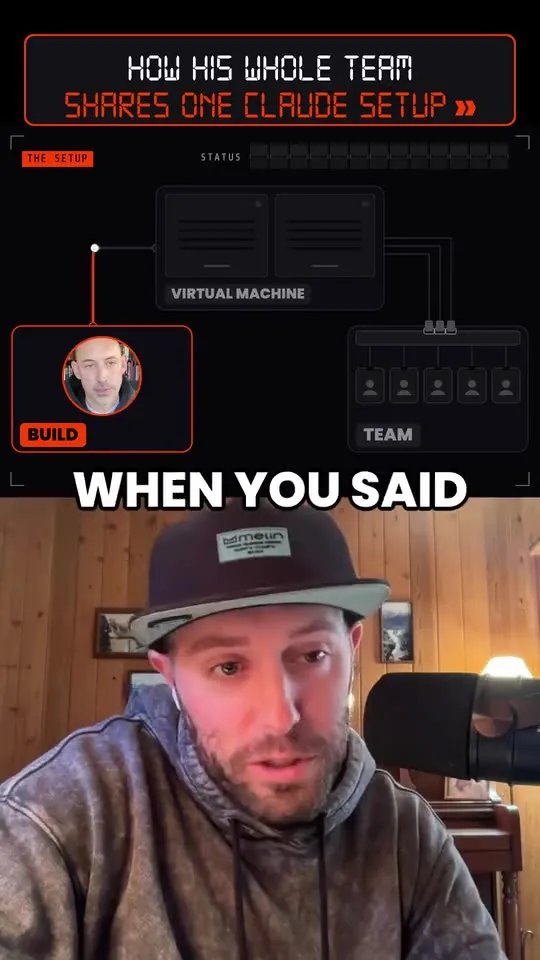
He runs a virtual machine holding a snapshot of the repo, never the live one. It reaches Supabase, Slack, Asana and the copy corpus. He wraps the machine in one MCP. Each teammate adds one connector and gets everything. When Phil merges a pull request, the snapshot refreshes within about five minutes.
“Everyone can access it now with one connector as opposed to multiple. So less likelihood that something breaks.”
Every seat wired alonePersonal connectors
4 people × 4 tools = 16 private connections
Each teammate wires every tool on their own Claude account. Skills drift apart, and nobody's setup matches anyone else's.
A platform changes its rules: Up to 16 connections to re-check, one person at a time, while client work waits. This is the week Phil describes, when connector permissions changed without notice.
One machine, one MCPPhil's setup
Virtual machine
Repo snapshot + data store Refreshes within about 5 minutes of a merge 1 MCPPhil builds in the repo. The machine holds a read-only snapshot with Supabase, Slack and Asana behind it. Each teammate adds one connector and gets all of it.
A platform changes its rules: One server to fix, and Phil fixes it. Each teammate keeps the same single connector. Fewer connections, less to break.
Rory sees a bigger rule in it. Across the companies he works with, the teams that do well with AI have someone near the top doing the grunt work.
“It starts from the top.”
Phil explains why it can't come from below. Nobody has the time, and the incentives punish it. Spend half the year figuring out AI and your annual review says you did half your job.
“In the micro it sounds great, but in the macro, it's like, okay, well, you're doing half your job and that's a problem.”



Meet Tim.
Phil's next target was one-off tasks: the last-minute changes and side projects that show up in Slack.
Every client has an external Slack channel with their team and an internal one without them. The account lead sits in both and translates. That translation has to land in Asana complete, because Phil holds one hard rule.
“If the team that's executing has to ask you one question about your task, the task isn't good. They should ask you no questions.”
Klaviyo changes ripple. Change the offer on a pop-up and the welcome emails downstream have to change too. A task that only says “change the pop-up” breaks things.
“If they just put the task, change the pop-up, there's all this other stuff that's gonna break. We're gonna hear from the client, we get fired.”
So Phil built an agent and named it Tim, after Tim Riggins from Friday Night Lights. He insists Tim is very handsome. Much of the team is too young to know the show and asked who the new guy in the chat was.
Tim sits in every internal and external channel. There are two ways to brief him. For simple tasks, anyone drops one specific emoji on a thread. Tim drafts the task and DMs that person to approve it or fix it. For complex ones, the account lead forwards the thread to Tim and whispers the context in the forward box. Tim drafts the subtasks, assignees, due dates and dependencies, and cross-links related tasks.
“So whisper all the context.”
Brief Tim two ways
Same client request. Pick a path, then count the questions the team would still have to ask.
#client-externalThread
Can we switch the pop-up to 20% off starting Friday?
Drop the emoji
Here's the draft. Approve it, or reply in the thread and I'll fix it.
- Change pop-up offer to 20% offDeploymentDue Thursday
Questions the team still has to ask 03
- Does the welcome flow still promise the old offer?
- Does design need new pop-up creative?
- Can it go live before the copy is checked?
Forward with a whisper
Account lead's whisper, in the forward boxWelcome email 1 still promises the old offer. Design needs new pop-up creative. Nothing goes live until copy and design are done.
Here's the draft with everything you whispered. Approve it, or reply in the thread.
- Pop-up offer to 20% off, live FridayAccount leadParent task · linked to welcome flow
- Update welcome email 1 copyCopywriterLinked to the pop-up task
- New pop-up and email creativeDesignerBlocked by: copy
- Swap pop-up and flow contentDeploymentBlocked by: design
- QA before FridayPMBlocked by: deployment
Questions the team still has to ask 00
- None. The context rode in with the forward.
Phil built Tim for himself. When he lost an account manager, he covered the role, and a daily 9 a.m. reminder to write tasks wore him down. He still runs two accounts to stay sharp.
“Account lead ain't so bad now that I solve for this huge problem of synthesizing information and getting a task spawned in Asana.”
Drew connects it to the mental-model books he read for years. Second-order thinking is where AI earns its keep, catching the dependencies a busy person misses.
Double the roster, zero new hires.
Drew asks the question the whole episode points at.
“How many clients could you have right now without AI as a part of your process?”
“Right now with the current team, I probably have twenty percent less clients than I have right now. … I think we could two X the client roster with no new headcount.”
Rory remembers hitting the wall at the old agency. Past a certain size, every new client meant new hires, and the margin stopped making sense. His read is that it was never about the creative.
“It's all the little stuff. It's all the little stuff.”
Phil adds a twist. He isn't sure email design needs automating at all. AI already builds each new client's components, so a designer assembles an email from ready blocks.
“These are the five blocks we need. We're good. That takes 15 seconds.”
Drew turns to onboarding. New hires burn everyone's time for weeks, hunting for files and naming conventions. Rory describes Phil's setup as a digital organization: client knowledge, the team roster, past calls and results, all one question away in Claude.
“Now you're activating employees first week.”
Phil shows how fast a team gets complicated. He draws the lines of communication as people join. The count hits 45 before anyone touches a task.
Every seat you add talks to every other seat
Ten seats, every pair connected. That's the 45 lines Phil drew.
- Phil
- Copy and design
- Project manager
- Copywriter
- Designer
- Account lead
- Deployment
- Client lead
- Client marketer
- Client founder
lines = seats × (seats − 1) ÷ 2 → 10 seats = 45 lines
“It gets super hairy super quick. … And this is just communication.”
Drew notes most companies have no Phil, which is why they hire outside help. Phil admits it's hard even with his small team. Then he confesses his own habit: building things because he can.
“Not everything we're building is worth building because we can build everything now.”

Skip the ROI spreadsheet.
Rory asks what Phil is building next. The list is mostly subtraction.
First, sharper Tim drafts. One reply to fix a draft is fine. Two is friction. Second, a leaner calendar-to-Asana output, with the low-value fields cut so copy and design reach Figma faster. Third, a quiet Q4 rebuild of the plumbing, replacing duct-taped early tools like n8n. The team won't see it until January.
“I want to get rid of all two reply friction on Tim.”
Rory hears that and tells everyone to audit their old work. He re-runs skills he built on Opus 4.6 past Opus 5.5.
“I'll just go talk to Opus 5.5 and be like, How does this look to you? And it's like, this is garbage.”
Drew runs the same check as a scheduled task: audit the skills, look for staleness, red-team the result. Everything has an expiration date.
Then Drew asks on behalf of in-house listeners. How should someone prove AI ROI to the boss? Phil runs a flat org and has no corporate background.
“I don't need a ROI calculation. If something in your life sucks day to day and you built this thing to make it better, awesome. I'm happy to pay for the tokens.”
Everyone has an allotted Claude budget. Need more, ask. Phil only steps in if spend looks wasteful, and he says it seldom does. Every other week he meets the design or copy team for an open show-and-tell.
“What are you guys dealing with? What sucks?”
Drew calls the format the bare minimum every company should run: resources, permission and a place to share wins and losses. Phil names the hard part for orgs without a builder at the top, subject matter expertise. Rory names the other one, problem identification. Clients blame the welcome flow when the real leak is a pop-up nobody signs up through.
“They think it's the automations, but it's the pop up window.”

Brag about the smallest team.
Rory flags a word Phil dropped in passing: security. Phil means the repo and the data store.
“No one can save anything anywhere besides me and one other guy. That's it.”
Teammates work through the virtual machine and never touch the repo. If someone builds something worth keeping, a skill summarizes it and sends it to Phil or his technical partner. It rarely happens.
“Giving them the ability to do it would create more problems than it solves.”
Rory calls it a franchise model. The whole playbook is built in advance, so each person opens shop and goes. Phil states the goal behind it.
“I want to brag about having the least people.”
Agencies will never be one-person billion-dollar companies, he says, because fulfillment takes people. The prize is double the client load on the same team. That's what lets him pay above market and give people a better day.
“I can pay everyone well above market. They'll have the best quality of life, day-to-day experience working because we solve for all the stuff that sucks.”
“An AM can be an AM. A copywriter can be a copywriter. Designer can be a designer.”
Rory widens it for in-house teams. The same structure works inside any company. You need a point person or two.

Day zero runs itself.
Rory asks for the totals. About 40 clients, fifteen or sixteen months in, on a core team of 16.
“None of the stuff we went over is creative or copy. Everything is ops.”
Phil spends all his time on ops, apart from sales. Then he shows what he calls the easy part: onboarding.
When a deal reaches a stage in the CRM, the contract goes out with the service, price and team already filled in. Phil doesn't look at it. The signature triggers the rest: Stripe, a shared Google Drive folder, an Asana project with every rule baked in, and internal and external Slack channels with the client's invites. The sales call transcripts and game plan land in Asana for the account lead. The store's past emails and the brand and tone guides go into the data store.
“That's day zero, as soon as the contract is signed.”
Rory wishes they'd had it three years ago. Phil mentions he's hiring for sales next year. Rory asks for a contract that says nobody can fire him. Phil points out a technicality.
“I didn't fire you the second time.”
Drew asks for a hot take. Phil says he already gave it, ten minutes earlier.
“Not everything that can be done should be done.”
“Do less. Keep it simple. First principles.”
Rory remembers one more origin story. Phil's first internet business sold t-shirts on obscure message boards. Drew notes the breadcrumbs were there: he later hired Rory off Craigslist.
The sign-off rule, per Rory: you don't have to subscribe, but you have to tell somebody. This week, tell your favorite forum moderator.
13The lesson ledger
16 lessons from 103 minutes.
Every lesson is tied to the moment it was said. Click a timecode to hear it in context. Each one ends with something to do on Monday.
If you only steal three
- Lesson 10 · CraftWrite tasks that need zero questions
- Lesson 04 · LeverageAutomate the soul-sucking admin first
- Lesson 07 · MindsetDo less
- 01 Craft
Serve tools finished
“Get it to a place where we know we can just serve it up for them to use.”
Phil Rivers ▶ 0:17:04
Do this MondayPilot each new AI tool yourself until it works without a walkthrough. Then hand the team a fill-in-the-blanks template.
- 02 Mindset
Watch for the 17-minute loop
“If I've been prompting this thing for seventeen minutes for this one email… let me just bang this out manually.”
Phil Rivers ▶ 0:19:53
Do this MondaySet a house rule: after 15 minutes of prompting on one asset, write it by hand.
- 03 Distribution
The untapped revenue sits in the flows
“Where a lot of alpha or untapped revenue is in most accounts these days is testing and optimizing things within the flows.”
Phil Rivers ▶ 0:23:42
Do this MondayBefore the next campaign brainstorm, open your three biggest automated flows. Test one change in each.
- 04 Leverage
Automate the soul-sucking admin first
“That's a very laborious, detail-oriented, time-sucking, soul-sucking task. So I was like, I want to not do that.”
Phil Rivers ▶ 0:28:45
Do this MondayList every field your team retypes after a client says yes. Make the approval click create the tasks.
- 05 Distribution
Service keeps clients longer than results
“I've lost clients that we have A plus results for and C plus service.”
Phil Rivers ▶ 0:34:47
Do this MondayPull up your last lost client. Grade results and service separately. Fix the slowest client touchpoint first.
- 06 Distribution
Fast first drafts buy retention
“People who we had delivered first drafts to within two weeks, we had an average of like a two month longer LTV on.”
Rory Flynn ▶ 0:36:14
Do this MondayPromise every new client a first draft inside two weeks. Track who gets it and how long they stay.
- 07 Mindset
Do less
“I'm like, dude, I want you to do less stuff. Like if you're doing stuff, I'm like, something's wrong.”
Phil Rivers ▶ 0:49:11
Do this MondayName three tasks your most senior client lead did this week that someone else could own. Move one by Friday.
- 08 Leverage
One connector beats a dozen
“Everyone can access it now with one connector as opposed to multiple. So less likelihood that something breaks.”
Phil Rivers ▶ 0:54:32
Do this MondayCount the connectors each teammate set up alone. Replace them with one shared server you maintain.
- 09 Mindset
AI adoption starts at the top
“It starts from the top.”
Rory Flynn ▶ 0:56:20
Do this MondayBuild the first working tool yourself before you ask anyone to adopt it.
- 10 Craft
Write tasks that need zero questions
“If the team that's executing has to ask you one question about your task, the task isn't good.”
Phil Rivers ▶ 0:58:55
Do this MondayBefore you assign your next task, write the question they'd ask you. Answer it inside the task.
- 11 Mindset
Not every build is worth it
“Not everything we're building is worth building because we can build everything now.”
Phil Rivers ▶ 1:15:07
Do this MondayBefore any build, name the person who will use it every week. No name, no build.
- 12 Craft
Audit old builds with new models
“I'll just go talk to Opus 5.5 and be like, How does this look to you? And it's like, this is garbage.”
Rory Flynn ▶ 1:18:34
Do this MondayOnce a month, have the newest model review your oldest skill or prompt. Rebuild whatever it flags.
- 13 Mindset
Skip the ROI spreadsheet
“If something in your life sucks day to day and you built this thing to make it better, awesome. I'm happy to pay for the tokens.”
Phil Rivers ▶ 1:20:27
Do this MondayGive each person a token budget and a biweekly show-and-tell. Open with one question: what sucks?
- 14 Craft
Guard write access
“No one can save anything anywhere besides me and one other guy. That's it.”
Phil Rivers ▶ 1:25:25
Do this MondayLimit write access on shared prompts and data to one or two people. Everyone else submits through a skill.
- 15 Leverage
Brag about the smallest team
“I want to brag about having the least people.”
Phil Rivers ▶ 1:27:07
Do this MondayPut clients per head next to revenue on your scorecard. Check it every month.
- 16 Leverage
Day zero runs itself
“That's day zero, as soon as the contract is signed.”
Phil Rivers ▶ 1:36:34
Do this MondayMap every setup step after a signature. Trigger all of them from one CRM stage change.